Three Things I Wish I Knew When I Started
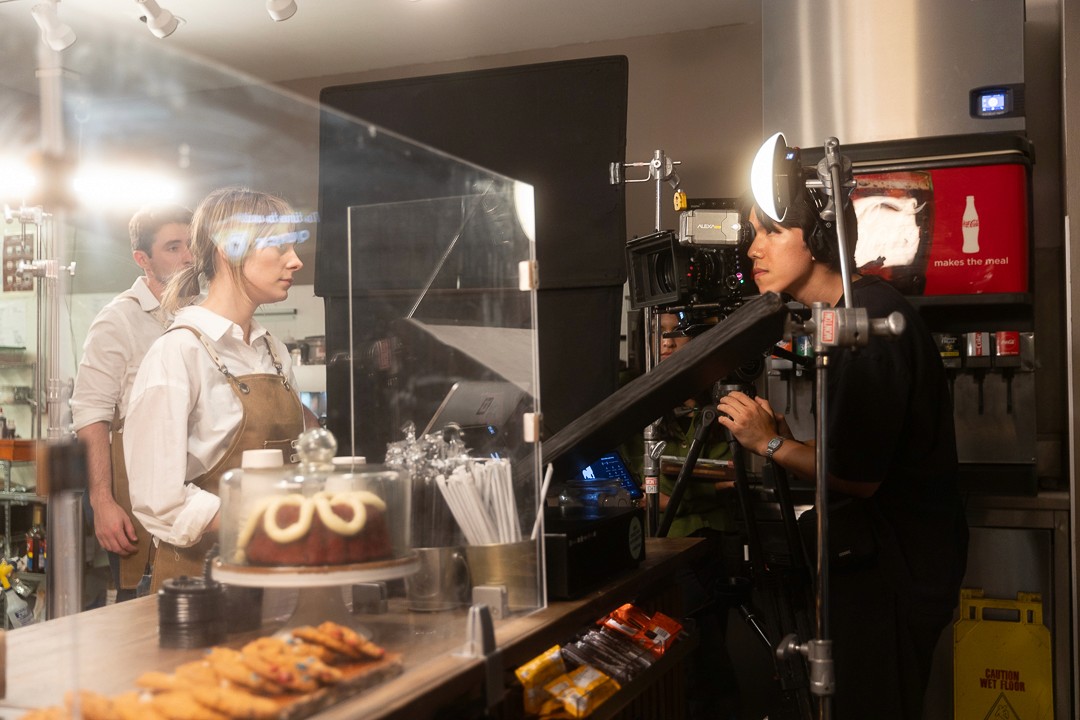
1. You don't need to know everything.
When I started, I thought I needed to be perfectly capable in every aspect of cinematography: color, lighting, camera, and so on. While it's good to have a broad knowledge of filmmaking inside and outside the department, you don't need to know everything to be good at your job. Sometimes the job is simply communicating the result you want rather than dictating exactly how to get there. The "how" can be figured out by the gaffer, the colorist, the production designer the people who have deeper expertise in those specific areas. Collaborating isn't proof of your own lack of skill. It's proof that there's a whole team of people who want to make something great with you.
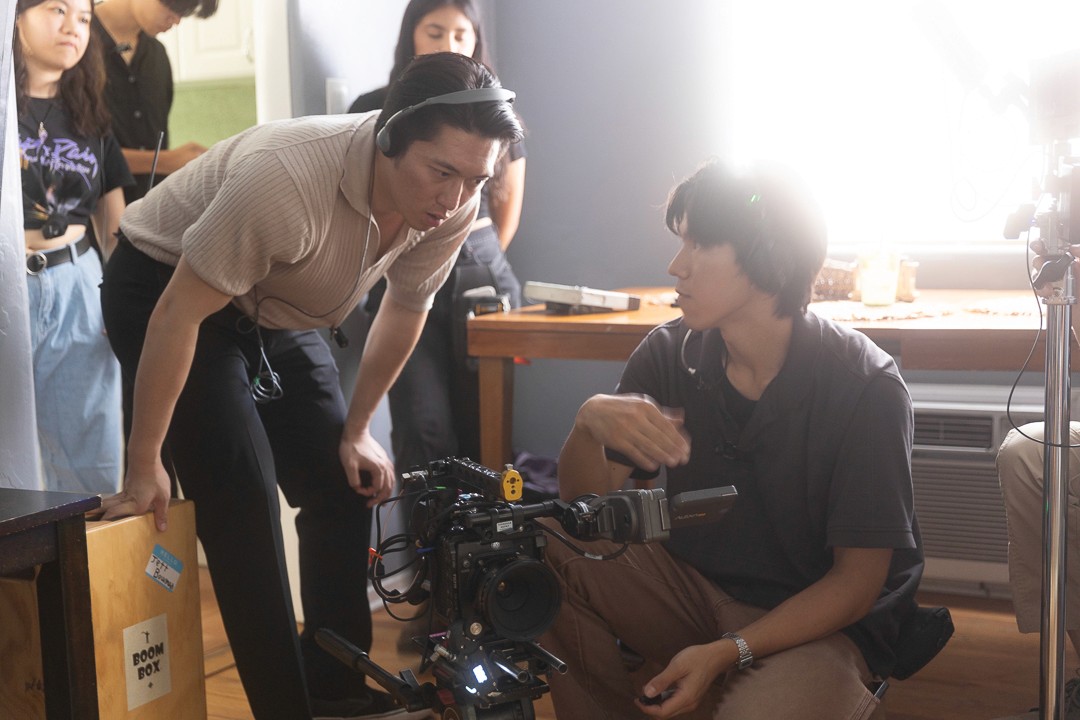
2. Story always comes first.
Making pretty images is not the definition of good cinematography. Roger Deakins talks about how there is good cinematography, bad cinematography, and then there is the right cinematography for the movie (link). When I first heard that, it completely changed how I approach each project. With solid technical knowledge and location, it's easy to make something that looks conventionally beautiful. However, if the story is about raw emotion or a slice of real life, sometimes the less polished image is the more honest one. Pretty isn't always right.
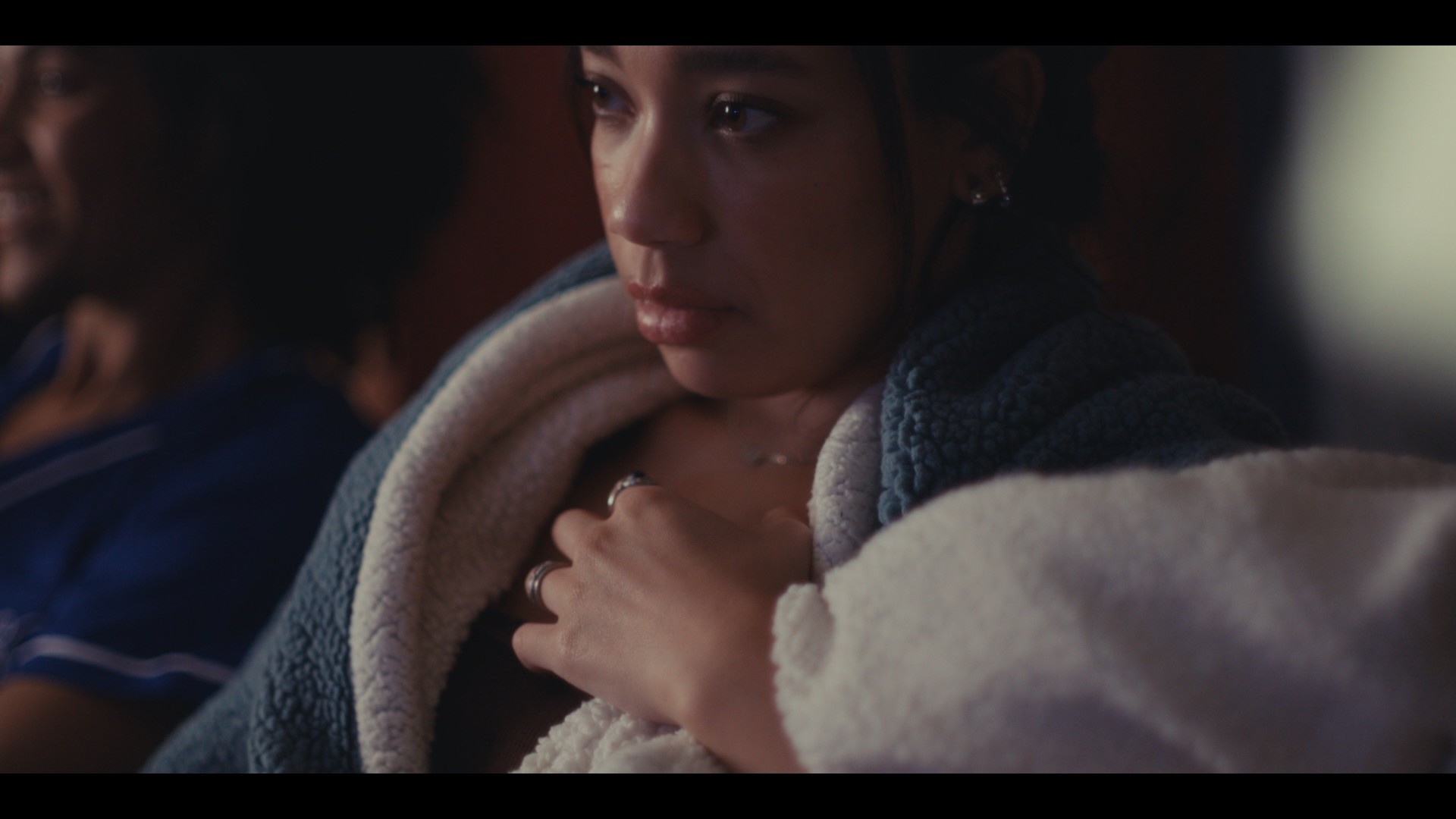
3. If it's consistent, it becomes a style.
I still wrestle with this one sometimes, but I genuinely believe that great cinematographers are defined by their ability to produce a consistent look and visual language throughout a film. It gets harder the longer the project, especially on narrative features. I remember AC-ing for a DP on an indie feature, and he kept repeating it whenever he made a lighting or framing call: "If it's consistent, that's a style." It stuck with me, because it's true. One of the core jobs of a cinematographer is to maintain that visual consistency unless you're intentionally breaking it for a specific effect. And what I've found most useful is that those pre-production decisions, the ones you make building the visual language before you ever step on set, are the ones that save you when you're under pressure and need to make a fast call in the moment.
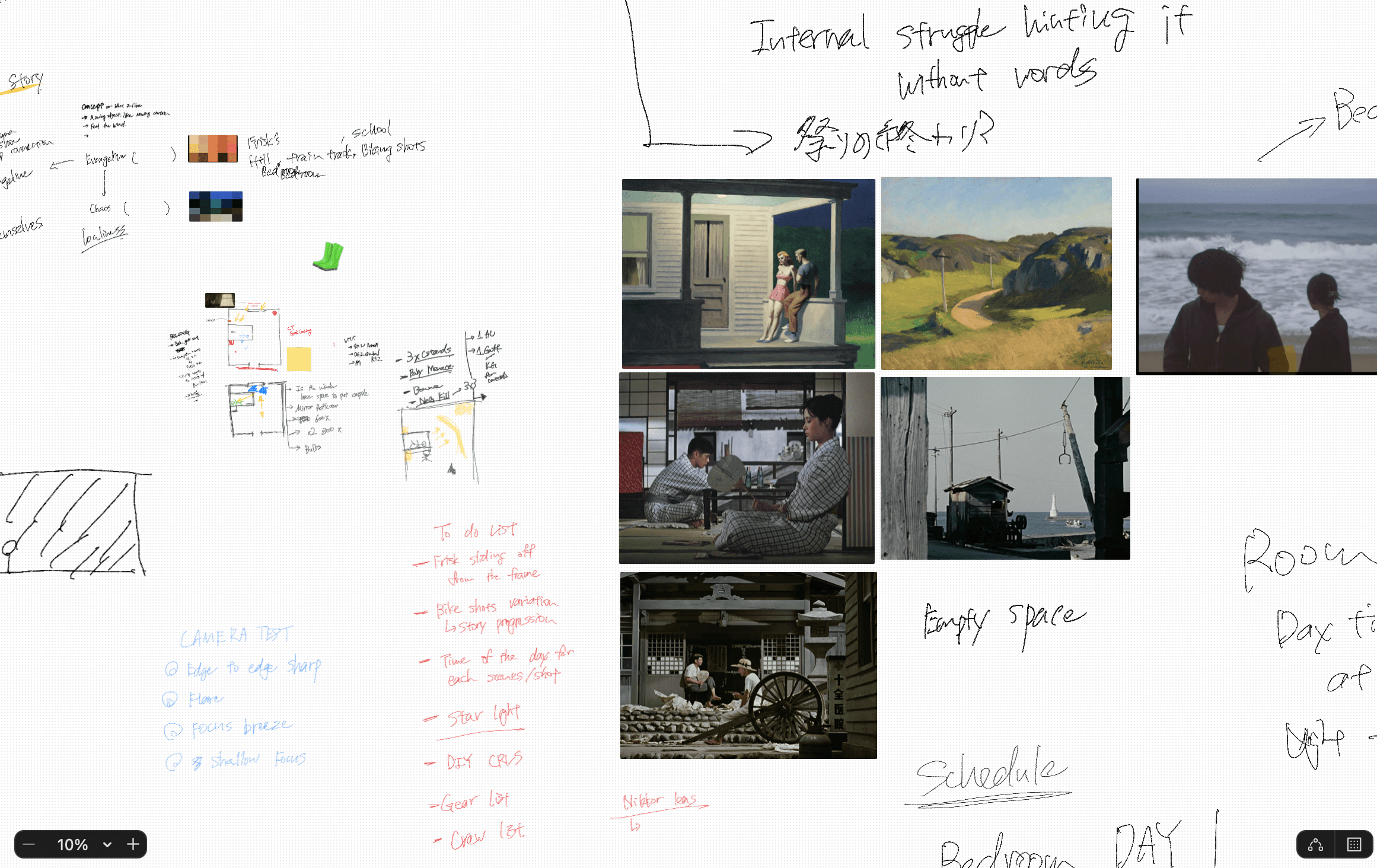
My Preproduction Note for Chaos Theater Level I by Monét Tyler
Comments
0No comments yet.
Be the first to share your thoughts!
Leave a comment
💡 Use the same name you posted with to edit or delete your own comments.